YOUR NEXT DISCOVERY/ArtifactsFollow your curiosity
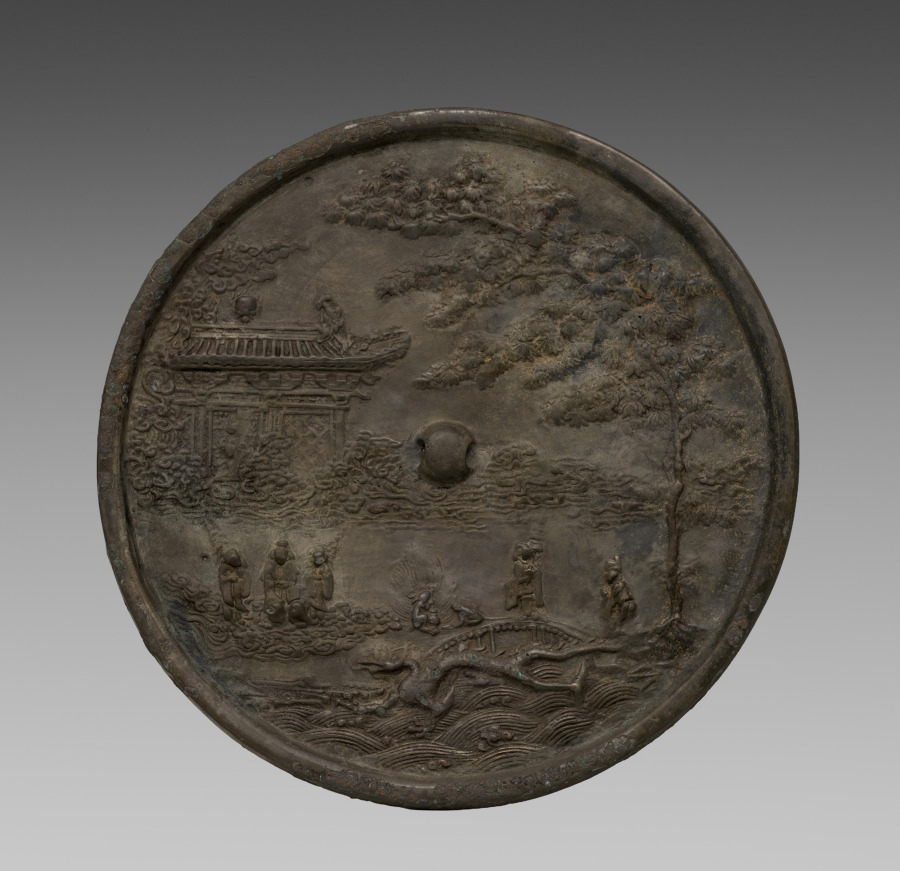
Octafoil Mirror with Lunar Palace, from The Cleveland Museum of Art
The Cleveland Museum of Art · Open Access · Reuse terms

China, Jin dynasty (1115–1234) / early 1100s–mid-1200s

Octafoil Mirror with Lunar Palace

Octafoil Mirror with Lunar Palace

The Cleveland Museum of Art catalogs Octafoil Mirror with Lunar Palace as metalwork (China, Jin dynasty (1115–1234) · early 1100s–mid-1200s).

A rabbit and a toad, both creatures believed to live on the moon, can be seen in the center.

SERENDIPITYA little unexpected
FamiliarWeird

The museum identifies this metalwork as bronze.

The museum's collection notes: Bronze mirrors typically have one polished and one decorated side and were used in tombs for ritual purpose or served as disks for reflection. This mirror depicts the imagined scene of the moon in Chinese mythology. Legend says that the goddess Chang E consumed the elixir of immortality that she stole from her husband, the archer Yi, and flew to the moon. Chang E’s palace, the Broad Cold Palace ( Guanghan gong ) on the left side of the composition, is juxtaposed with a tall pine tree symbolizing longevity.

The Cleveland Museum of ArtOctafoil Mirror with Lunar Palace

Original explanation based on the sources above. Images carry their own reuse terms.