YOUR NEXT DISCOVERY/ArtifactsFollow your curiosity
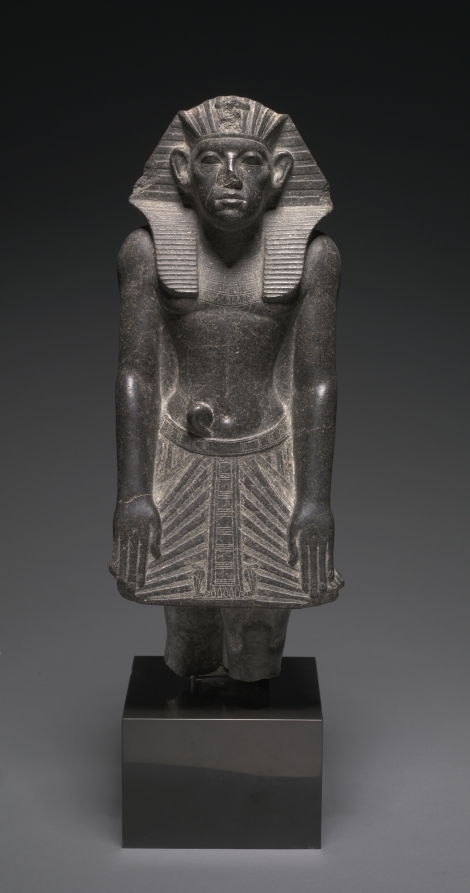
Statue of Amenemhat III, from The Cleveland Museum of Art
The Cleveland Museum of Art · Open Access · Reuse terms

Egypt, Middle Kingdom (2040–1648 BCE), Dynasty 12, reign of Amenemhat III (1860–1814 BCE) / c. 1859–1814 BCE

Statue of Amenemhat III

Statue of Amenemhat III

The Cleveland Museum of Art catalogs Statue of Amenemhat III as sculpture (Egypt, Middle Kingdom (2040–1648 BCE), Dynasty 12, reign of Amenemhat III (1860–1814 BCE) · c. 1859–1814 BCE).

The first pyramid Amenemhat III attempted to build, the so-called Black Pyramid, had major construction flaws and had to be abandoned when it started to collapse.

SERENDIPITYA little unexpected
FamiliarWeird

The museum identifies this sculpture as granodiorite.

The museum's collection notes: Even though this statue of a king is uninscribed, its distinctive features identify it without any doubt as a portrait of Amenemhat III. The heavy brows, prominent cheekbones, hollow cheeks, jutting lower jaw, and tightly bunched muscles at the corners of the mouth make a strikingly realistic impression. Not realistic, however, are the king’s supersized ears. Instead, they symbolize the ruler’s willingness to hear the prayers of his people. If this image had been carved in relief, the king’s hands would have been uplifted in worship. Here, however, to prevent the breakage of projecting limbs, the ruler’s hands are pressed flat against the fro

The Cleveland Museum of ArtStatue of Amenemhat III

Original explanation based on the sources above. Images carry their own reuse terms.