YOUR NEXT DISCOVERY/ArtifactsFollow your curiosity
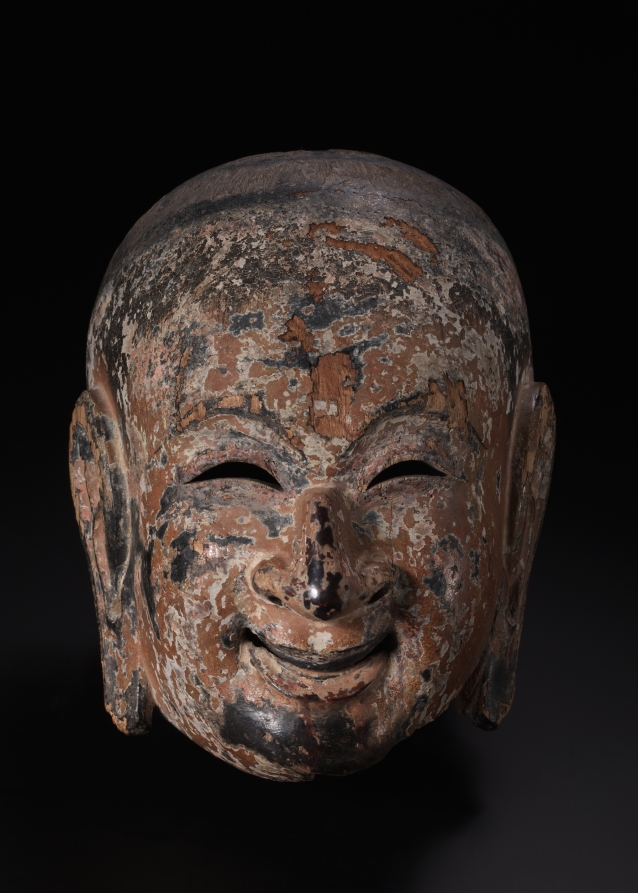
Gigaku Mask of Young Persian Boy (Taikōji), from The Cleveland Museum of Art
The Cleveland Museum of Art · Open Access · Reuse terms

Japan, Nara period (710–94) / 710–94

Gigaku Mask of Young Persian Boy (Taikōji)

Gigaku Mask of Young Persian Boy (Taikōji)

The Cleveland Museum of Art catalogs Gigaku Mask of Young Persian Boy (Taikōji) as sculpture (Japan, Nara period (710–94) · 710–94).

This is the mask for one of two sons who accompany a widower in ancient dance theater.

SERENDIPITYA little unexpected
FamiliarWeird

The museum identifies this sculpture as paulownia wood, lacquered and painted.

The museum's collection notes: This mask is for the role of the son of an old Persian widower in gigaku , a theatrical dance repertoire imported to Japan from continental Asia during the seventh century. The old man and his sons mime prayers to the Buddha. While the mask would cover the entire head of the actor, there are openings for the eyes, nostrils, and mouth.

The Cleveland Museum of ArtGigaku Mask of Young Persian Boy (Taikōji)

Original explanation based on the sources above. Images carry their own reuse terms.