YOUR NEXT DISCOVERY/ArtifactsFollow your curiosity
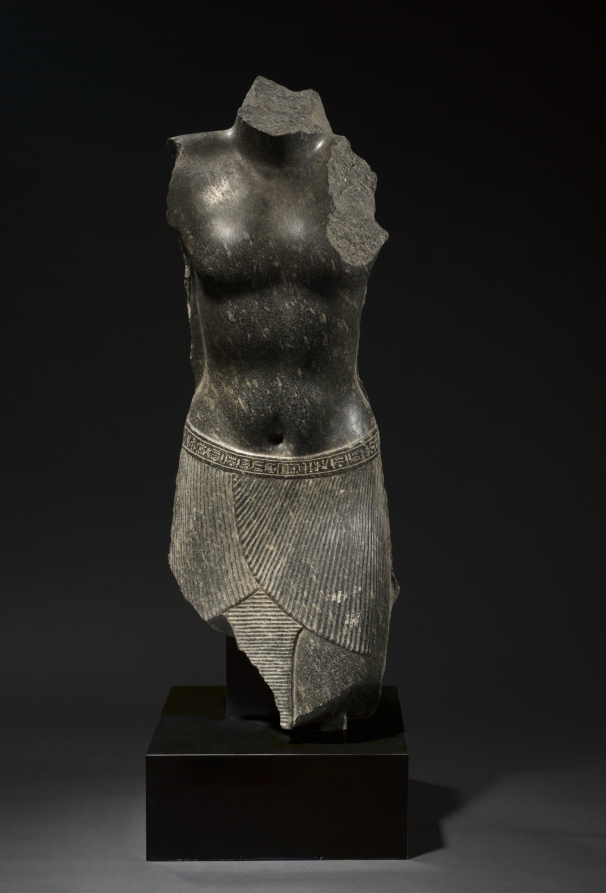
Torso of Amenpayom, from The Cleveland Museum of Art
The Cleveland Museum of Art · Open Access · Reuse terms

Egypt, Greco-Roman period (332 BCE–395 CE), Ptolemaic dynasty (305–30 BCE) / probably 200–100 BCE

Torso of Amenpayom

Torso of Amenpayom

The Cleveland Museum of Art catalogs Torso of Amenpayom as sculpture (Egypt, Greco-Roman period (332 BCE–395 CE), Ptolemaic dynasty (305–30 BCE) · probably 200–100 BCE).

On the back Amenpayom is depicted again worshiping the gods of Mendes, Harpocrates, Banebjedet, and Hatmehit.

SERENDIPITYA little unexpected
FamiliarWeird

The museum identifies this sculpture as granodiorite.

The museum's collection notes: This magnificent life-sized torso is inscribed for Amenpayom, the great army general of the district of Mendes in the Nile Delta. By the end of the Ptolemaic dynasty (305-30 BC) when this statue was made, the Egyptians could draw on 3,000 years of expertise carving hard stone. Enough remains to show that Amenpayom was represented in the traditional pose for men: left leg striding forward, arms at his sides, and supported by a back pillar. The subtle, masterful treatment of the undulating musculature and meticulous, flawless polish are hallmarks of this period, when Egyptian artists reveled in the natural beauty of the human form.

The Cleveland Museum of ArtTorso of Amenpayom

Original explanation based on the sources above. Images carry their own reuse terms.